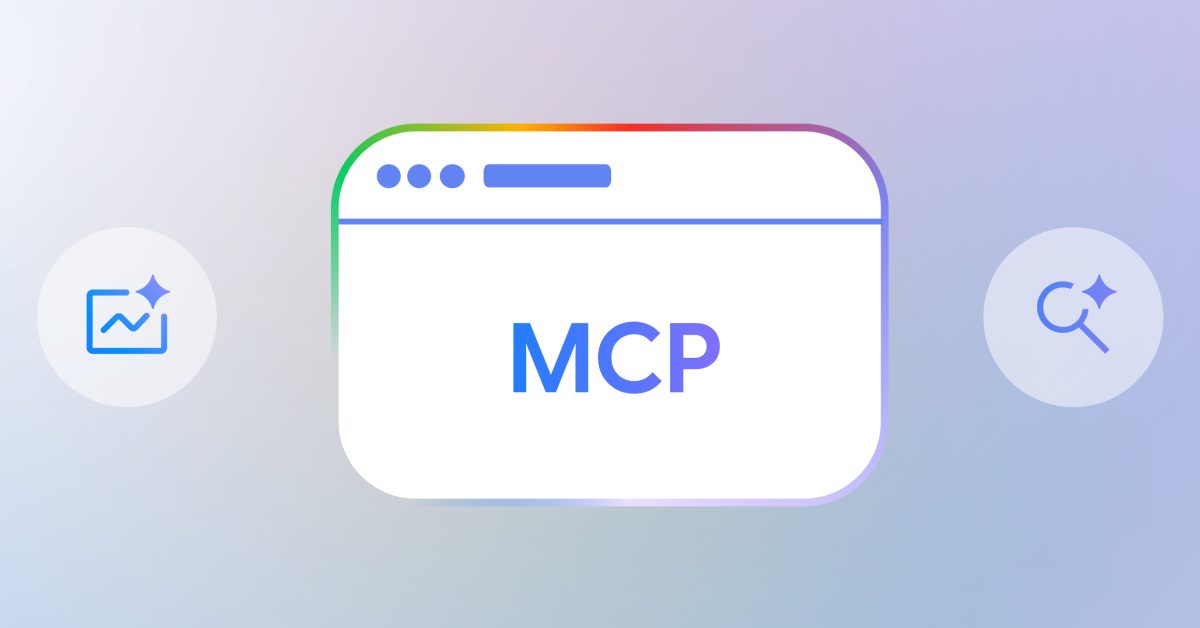
Google Home MCP Introduced for Enhanced Smart Home Control

Edited by Lumi Castell
Assistants & Lighting · Updated October 12, 2026
Google has launched the Home MCP (Model Context Protocol), enabling personal AI agents like Antigravity, Claude, and OpenClaw to interact with smart home devices. This development aims to streamline the integration of various AI systems with smart home technology, enhancing user experience and device compatibility. However, details on compatibility and privacy implications remain limited.
Share this story
Why it matters
- ✓Home MCP allows users to leverage multiple AI agents for better control of their smart home devices, potentially improving automation and efficiency.
- ✓The introduction of this protocol could lead to a broader range of compatible devices and services, making it easier for consumers to choose and upgrade their smart home setups.
- ✓As AI integration becomes more prevalent, users may need to consider the privacy implications of allowing multiple AI systems to access their home networks.
Google Home MCP Introduced for Enhanced Smart Home Control
Google has officially announced the launch of the Home MCP (Model Context Protocol), a new framework designed to allow personal AI agents to interact seamlessly with smart home devices. This initiative aims to enhance user experience by enabling AI systems such as Antigravity, Claude, and OpenClaw to manage various connected home technologies more effectively.
What is Home MCP?
The Home MCP is a protocol that facilitates communication between AI agents and smart home devices. By leveraging this protocol, users can utilize their preferred AI systems to control a wide array of smart home products, ranging from lighting and heating to security systems. This development represents a significant step towards more integrated smart home ecosystems, where multiple AI agents can work in harmony to optimize home automation.
Key Features and Benefits
Enhanced Compatibility
One of the primary advantages of the Home MCP is its potential to improve compatibility between different AI systems and smart home devices. As more consumers adopt smart home technologies, the need for seamless integration becomes increasingly important. With Home MCP, users may find it easier to connect and control devices from various manufacturers using their chosen AI agent, reducing the friction often associated with managing multiple platforms.
Improved User Experience
The introduction of Home MCP is expected to enhance the overall user experience by allowing for more sophisticated automation routines. For instance, users could program their AI agents to perform complex tasks that involve multiple devices, such as adjusting lighting, temperature, and security settings based on their daily routines or preferences. This level of customization could lead to a more intuitive and efficient smart home environment.
Flexibility in AI Choices
With the Home MCP, users are not limited to a single AI assistant. The ability to choose from various AI agents means that consumers can select the one that best fits their needs and preferences. This flexibility can empower users to create a smart home experience tailored to their lifestyle, whether they prioritize energy efficiency, security, or convenience.
Considerations for Smart Home Owners
Compatibility and Integration
While the Home MCP promises enhanced compatibility, specific details regarding which devices and platforms will support the protocol are still unclear. As the technology rolls out, consumers should keep an eye on announcements from device manufacturers regarding compatibility with Home MCP. This information will be crucial for those looking to upgrade or expand their smart home systems.
Privacy Implications
As with any technology that involves AI and data sharing, privacy concerns are paramount. Users will need to consider how the integration of multiple AI agents may impact their data security. It is essential for consumers to stay informed about the privacy policies of the AI systems they choose to implement in their homes. Understanding how data is collected, stored, and used will be critical in making informed decisions about adopting Home MCP.
Pricing and Availability
Details regarding the pricing and availability of devices that will utilize the Home MCP are currently limited. As the protocol gains traction, it is likely that manufacturers will begin to release compatible products. Consumers interested in adopting this technology may want to wait for further announcements to ensure they are investing in devices that will fully leverage the capabilities of Home MCP.
Conclusion
The introduction of Google Home MCP marks a significant advancement in the integration of AI with smart home technology. By allowing personal AI agents to communicate with a broader range of devices, Google aims to enhance user experience and streamline smart home management. However, as this technology develops, consumers should remain vigilant about compatibility, privacy, and pricing to make the most informed decisions for their smart home setups.
Sources
- Google Home MCP lets Antigravity, Claude, OpenClaw, & more control your smart home — 9to5Google Google Home
Comments
Log in with
Loading comments…
More in Assistants
Shelly Introduces Matter Controller Smart Home Hub via Wall Display
Shelly has announced that its wall display will now function as a Matter controller, allowing users…
Just now

Apple's 'Welcome Home' Event Set to Unveil New Smart Home Innovations
Apple's 'Welcome Home' launch event is scheduled for October 13th at 9 AM ET in New York. The event…
Just now

Review of the Kiwibit Bird Feeder 2 Pro: A Mixed Experience
The Kiwibit Bird Feeder 2 Pro, priced at $269, initially attracted numerous colorful birds to the…
Just now

Apple Announces 'Welcome Home' Smart Home Launch Event
Apple has scheduled a surprise launch event for October 13th at 9 AM ET in New York, focusing on…
Just now